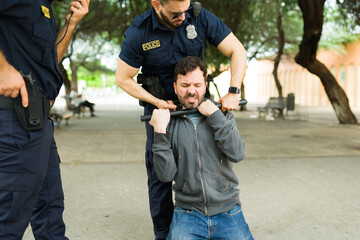
What Are the Penalties for Resisting Arrest in California?


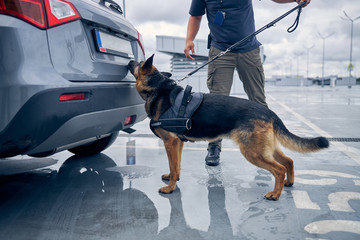
In Northern California and across the nation, vehicle searches for drugs and controlled substances are governed by Fourth Amendment rules that determine when local law enforcement can search a vehicle without a warrant. However, vehicle searches do differ from searches of your home or residence, so understanding what police can and cannot do regarding searching your vehicle is critical. As such, if you have been involved in a traffic stop that resulted in a search of your vehicle, it’s in your best interest to connect with a Tehama County drug crimes lawyer for more information and skilled representation during your case.
While the Fourth Amendment of the United States Constitution protects you from unlawful searches and seizures, it’s important to understand that police do not always need a signed warrant to search a vehicle. There are several instances in which the police may still conduct a search without waiting for a judicial warrant allowing them to do so.
One instance in which the police can search your vehicle without a warrant is if they have probable cause to believe that your vehicle contains controlled substances or has evidence of criminal activity. Examples of probable cause include:
If the police have probable cause, it’s important to understand that it may extend to the passenger area of the car, containers inside the vehicle, and the trunk if the suspected substance could be hidden there.
You should note that, while a probable cause may exist, the scope of the vehicle search must be reasonably related to the suspected offense. As such, the police cannot search areas of a vehicle where the suspected substance cannot logically be hidden.
Police may not need a warrant to conduct a search of the vehicle if the driver consents to a search. As such, this is one of the most common and misunderstood ways in which a vehicle search occurs. If you are asked to consent to a search of your vehicle, it’s important to remember:
If you are asked to consent, you should tell the officer that you “do not consent to any searches of the vehicle without a search warrant,” which can help preserve legal challenges in the event your vehicle is searched, regardless of your lack of consent. While you have the Constitutional right to decline a vehicle search when asked, you should not, under any circumstances, interfere with the duties of the law enforcement officers.
Officers have the right to seize any illegal items that are easily and immediately observable from a lawful vantage point. This often includes:
It’s important to understand that there are limitations on plain view. As such, officers cannot move objects to create a plain view, and while flashlights can be used, law enforcement cannot manipulate objects during a plain view examination of the vehicle.
It’s important to understand that, in addition to probable cause and consent, there are other circumstances under which a search may occur during or after a lawful traffic stop.
In the event your vehicle is lawfully impounded, the police may execute an inventory search. It’s necessary to understand that this often requires:
In limited situations, the police may conduct a pat-down of the occupants of the vehicle if they have a reasonable belief that someone is armed and dangerous. However, it’s imperative to keep in mind that:
In California, drivers have a reduced expectation of privacy inside their cars. This generally applies to closed containers, locked compartments, and personal items that are not immediately associated with presumed criminal activity. However, privacy typically does not extend to:
Vehicle searches are treated differently under the law because cars and automobiles are heavily regulated, which reduces, but does not entirely remove, a driver’s reasonable expectations for privacy.
Traffic stops in California may involve multiple officers from various agencies, so understanding how vehicle search rules are implemented at the local level is critical. If you are stopped by police in Northern California and they ask to search your vehicle, knowing how to proceed in these instances can have a significant impact on the outcome of your case. As such, you should consider the following in these situations:
If your vehicle was stopped and searched for drugs in Northern California, it’s imperative to understand your legal options. At Cohen Criminal Law, we understand how complicated these matters can be to navigate, which is why we will do everything in our power to assist you. When you need help, contact us today.

© 2026 Cohen Criminal Law. All rights reserved. Attorney advertising.